





Description
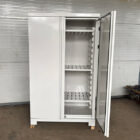
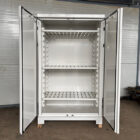
Lithium-Ion Battery Storage and Charging Cabinet – Fire-Resistant Safety Cabinet for Li-Ion Batteries
Technical Data
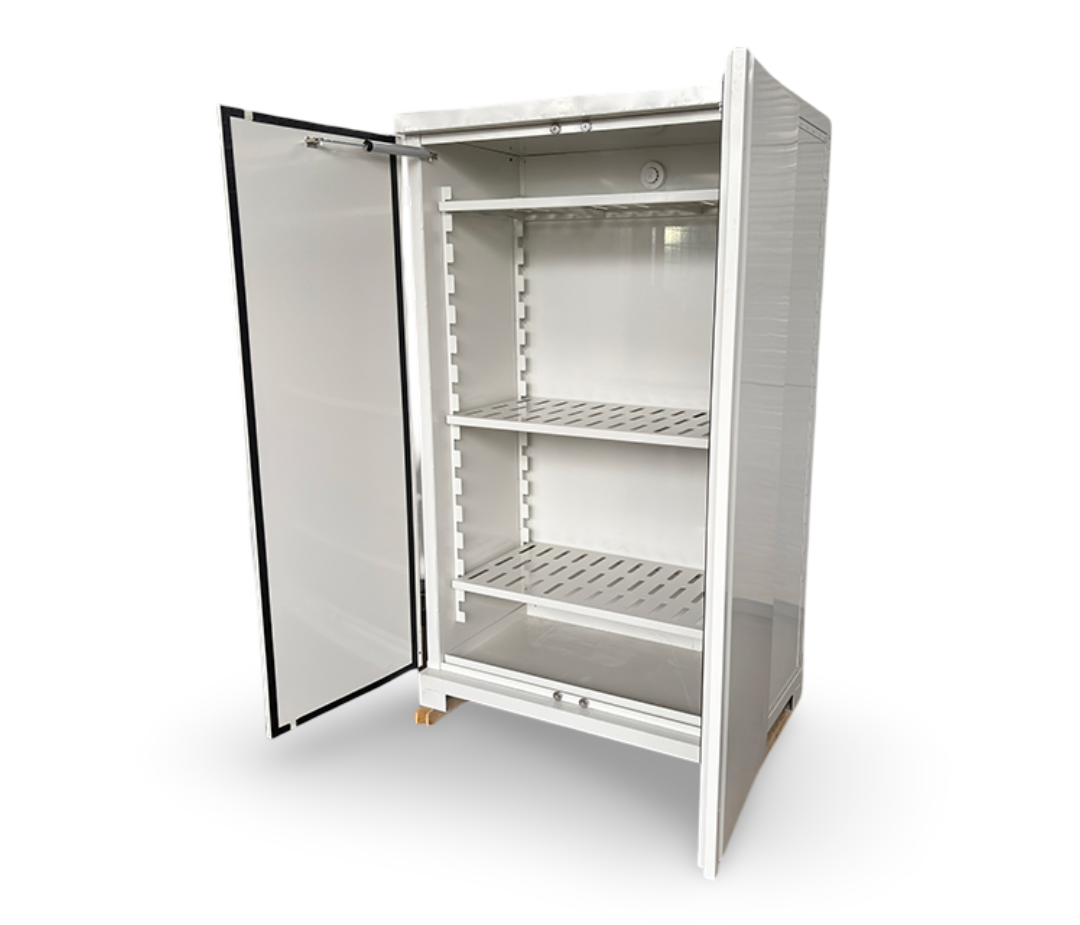
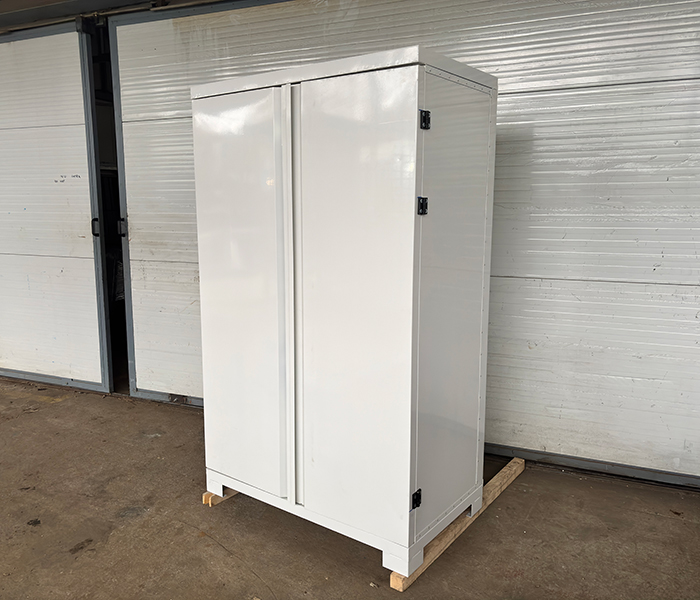
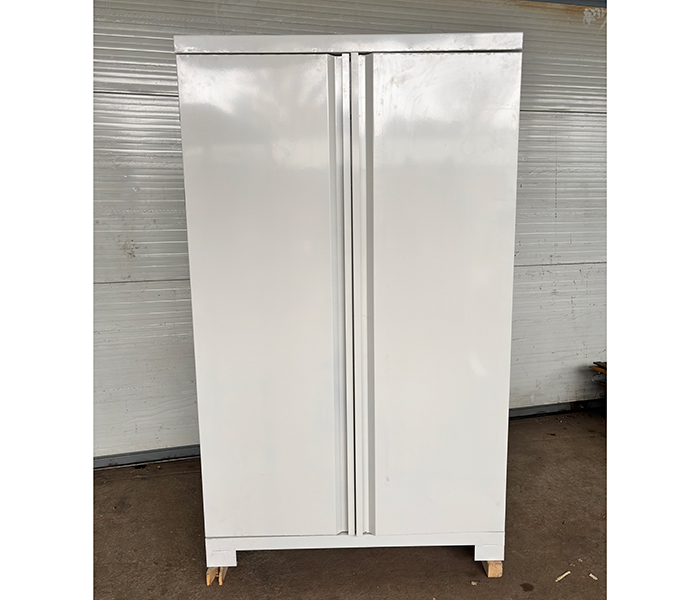
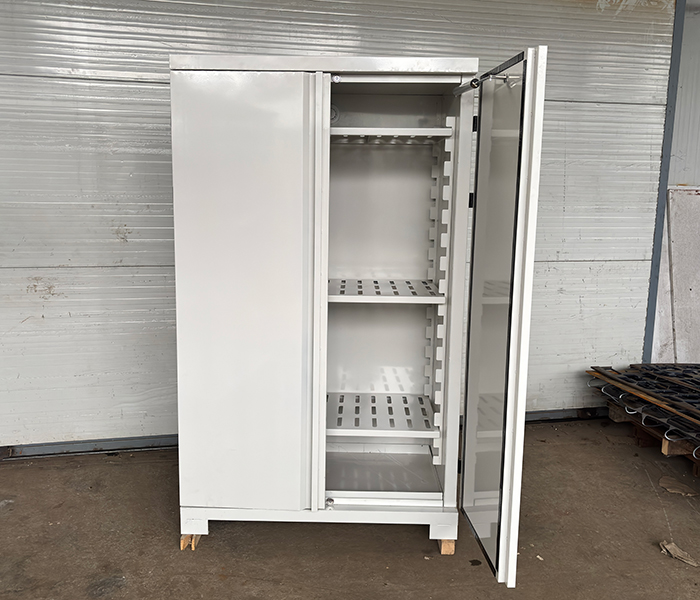
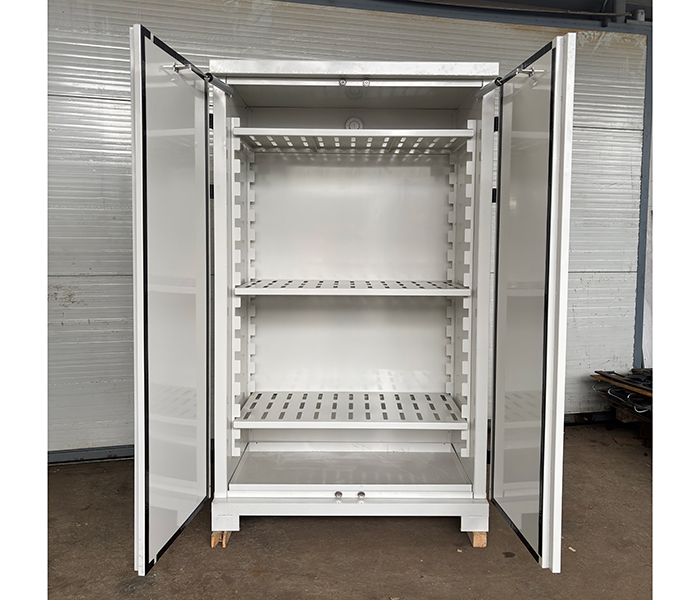
Cabinet designed for the safe storage and charging of Lithium-Ion batteries with high fire risk.
Fire-resistant swing doors with automatic closing system.
Battery storage on 3 metal shelves with a load capacity of 80 kg per shelf.
Removable collection tray at the bottom for liquids or electrolyte leaks.
Cabinet dimensions: 1200 x 700 x 2000 mm.
Adjustable feet for stable positioning on any surface.
Forklift pockets allow fast relocation in case of emergency.
Fire resistance from inside to outside: >90 minutes according to EN 1363-1.
Fire resistance from outside to inside according to EN 14470-1.
Robust structure allowing relocation whenever necessary.
Custom sizes and capacities available on request.
Optional equipment: optical and acoustic fire alarm system and integrated automatic fire extinguishing system.
Specifications
Dimensions: 1200 x 700 x 2000 mm
Maximum load capacity: 400 kg
Shelves: 3 metal shelves
Retention capacity: 30 L
Loading height: 300 / 1650 mm
Description
Since their introduction in 1991, Lithium-Ion (Li-Ion) batteries have become the most widely used portable power source due to their long lifespan and robust design. Today they are used in smartphones, laptops, tablets, drones, power tools and electric vehicles.
However, improper storage of lithium batteries can present significant fire hazards. Li-Ion batteries should be stored at room temperature and maintained at approximately 30–50% charge level. Periodic recharging is recommended to prevent deep discharge.
Testing has shown that Li-Ion batteries can be stored most safely when charged between 30% and 50%.
Cells may be stored fully discharged, but the voltage should never drop below 2.0 V for optimal safety. Maximum voltage should not exceed 4.1 V. Always follow the charging instructions provided by the battery manufacturer.
Recommendations for Lithium-Ion Battery Storage
The most important factor in battery storage is temperature. Storage temperature should ideally not exceed 15°C, although this may vary depending on the battery manufacturer. Always follow the manufacturer’s storage recommendations.
Nickel and lithium-ion batteries should be stored with approximately 40% charge. If stored improperly, Li-Ion batteries may become unstable, potentially generating excessive heat and causing internal damage or fire.
Lithium-Ion Battery Maintenance and Storage Guidelines
Rechargeable Li-Ion batteries require routine maintenance and proper handling. Always read and follow safety instructions provided by the battery manufacturer to ensure safe operation and maximum battery lifespan.
Do not leave batteries unused for long periods inside devices or storage areas. If a battery has not been used for six months, check its charge level and recharge or dispose of it accordingly.
The typical lifespan of a Li-Ion battery is approximately 2–3 years or 300–500 charging cycles, whichever occurs first. A charging cycle represents a full discharge followed by a full recharge.
Lithium-Ion batteries have a limited lifespan and gradually lose storage capacity over time. This loss of capacity is irreversible. As capacity decreases, the runtime of the device powered by the battery also decreases.
Li-Ion batteries slowly self-discharge when not in use. Regularly check the battery charge level and recharge if necessary. Always follow the product manual instructions for checking battery status and charging procedures.
Monitor batteries approaching the end of their expected lifespan and replace them if the runtime drops below approximately 80% of the original capacity or if charging time increases significantly.
If a battery has been stored or unused for a long time and no charge remains when checked, it should be considered damaged and must not be recharged or reused.
Storage Guidelines
Charge or discharge the battery to approximately 50% before storage.
Recharge the battery to about 50% at least once every six months.
Remove the battery from the device and store it separately.
Store batteries at temperatures between 5°C and 20°C (41°F–68°F).
Higher temperatures significantly reduce battery lifespan.
Safety Instructions
Do not disassemble, crush or puncture the battery.
Do not short-circuit battery terminals.
Do not expose the battery to fire or water.
Do not expose batteries to temperatures above 60°C (140°F).
Keep batteries away from children.
Avoid strong shocks or vibrations.
Do not use damaged batteries.
If a battery leaks fluid, avoid contact with the liquid and immediately dispose of the battery according to local regulations.
If battery fluid comes into contact with the eyes, do not rub them. Rinse immediately with clean water for at least 15 minutes and seek medical assistance.
Transport and Disposal
Always check applicable local, national and international regulations before transporting lithium-ion batteries. Transportation of damaged or end-of-life batteries may be restricted or prohibited in certain circumstances.
Li-Ion batteries are subject to recycling and disposal regulations that vary depending on country and region. Many countries prohibit disposing electronic waste in standard waste containers.
Only place fully discharged batteries in designated battery recycling containers. Use insulating tape or approved coverings on battery terminals to prevent short circuits during disposal or transport.