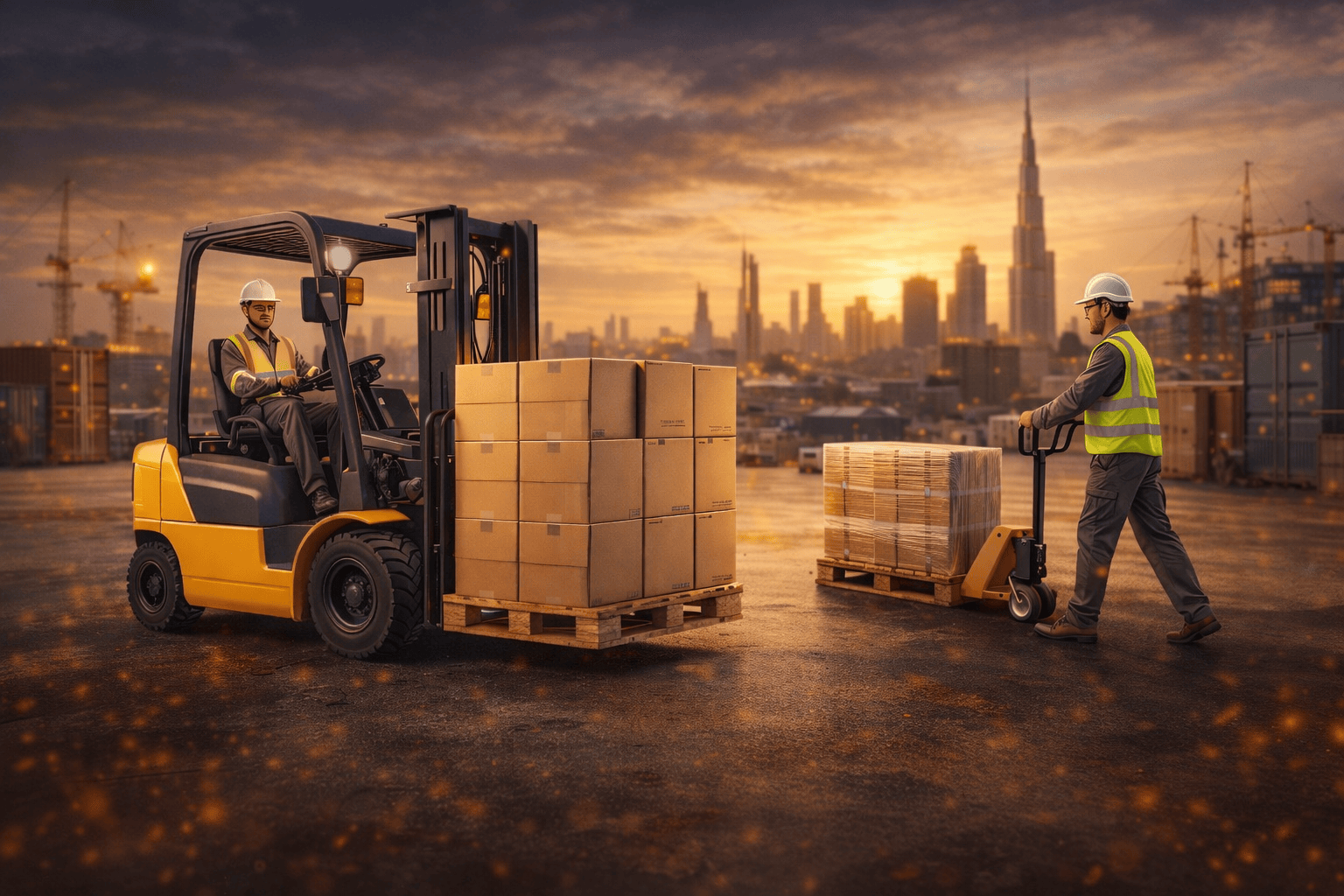
Efficient material handling is the foundation of smooth operations in warehouses, factories, and logistics centers. When goods move safely and quickly, productivity improves. When handling systems fail, delays, injuries, and product damage follow.
This guide explains how material handling equipment supports safer workplaces and more efficient operations.
Why Material Handling Equipment Matters
Every business that stores, transports, or processes goods depends on internal movement. The way materials are lifted, stored, and transferred directly affects:
- Worker safety
- Workflow efficiency
- Product protection
- Operating costs
- Overall productivity
Without proper systems, teams rely too heavily on manual handling. This increases fatigue, injury risk, and operational slowdowns.
Key Types of Material Handling Equipment
Platform Trolleys
Platform trolleys are essential for transporting heavy or bulky items across facilities. They reduce physical strain and speed up internal movement.
Look for:
- Strong load capacity
- Non-slip surfaces
- Smooth-rolling industrial wheels
- Stable frame construction
Storage Racks and Shelving Systems
Well-designed storage systems maximize vertical space and improve organization. Proper racking reduces clutter and prevents unsafe stacking.
Important factors include:
- Structural strength
- Weight rating compliance
- Stability and anchoring
- Accessibility
Handling Systems and Custom Solutions
In high-volume environments, integrated handling systems streamline operations. These may include custom frames, carts, or specialized transport units built for specific loads.
Custom solutions are often necessary when:
- Products have irregular shapes
- Loads are heavy or sensitive
- Workflows require optimized routing
Safety Benefits
High-quality material handling equipment reduces workplace accidents. It minimizes lifting injuries, prevents dropped goods, and creates more controlled movement paths inside facilities.
Ergonomic design plays a major role. Equipment should support natural posture, easy maneuverability, and stable load handling.
Safer environments also mean fewer disruptions and lower liability risks.
Productivity Gains
The right equipment improves workflow speed and consistency. Employees spend less time adjusting loads and more time completing tasks.
Benefits include:
- Faster internal transport
- Reduced downtime
- Fewer damaged goods
- Better space utilization
Over time, this directly improves output and operational performance.
Long-Term Cost Efficiency
Lower-cost equipment often leads to higher maintenance and replacement expenses. Durable construction reduces wear and extends lifespan.
Investing in high-quality equipment lowers:
- Repair costs
- Replacement frequency
- Productivity losses from equipment failure
It also supports compliance with safety standards.
Choosing the Right Equipment
Before investing, assess:
- Load types and weight
- Frequency of movement
- Available space
- Worker ergonomics
- Environmental conditions
A tailored approach delivers better results than one-size-fits-all solutions.
Supporting Industrial Operations
Reliable material handling systems keep daily operations moving without interruption. From warehouses to manufacturing plants, optimized internal logistics improve both safety and efficiency.
SMITS supplies industrial-grade material handling solutions designed for demanding environments. Our equipment supports safe workflows, durable performance, and improved operational productivity.